


Why Breath Tests Are Not Absolute
A number on a screen can look settled. It is precise, easy to repeat and easy to mistake for the whole story. Before treating it as a conclusion, ask how it was produced and what the records show.
We—as in the United States—have an understandable but sometimes troubling belief in the infallibility of technology. A device can produce a measurement without answering every question about its reliability or meaning in a particular case.
Which brings us to evidentiary breath testing in Washington. It produces a number to three decimal places. A number that may go into a police report and become evidence in a case affecting someone’s future.
That machine is a breathalyzer—a device that measures alcohol in exhaled breath. Spoiler alert: it is not absolute or infallible. Its reliability in a particular test deserves examination. A breath-test result deserves review of the instrument, the testing procedure and the circumstances of the person tested.
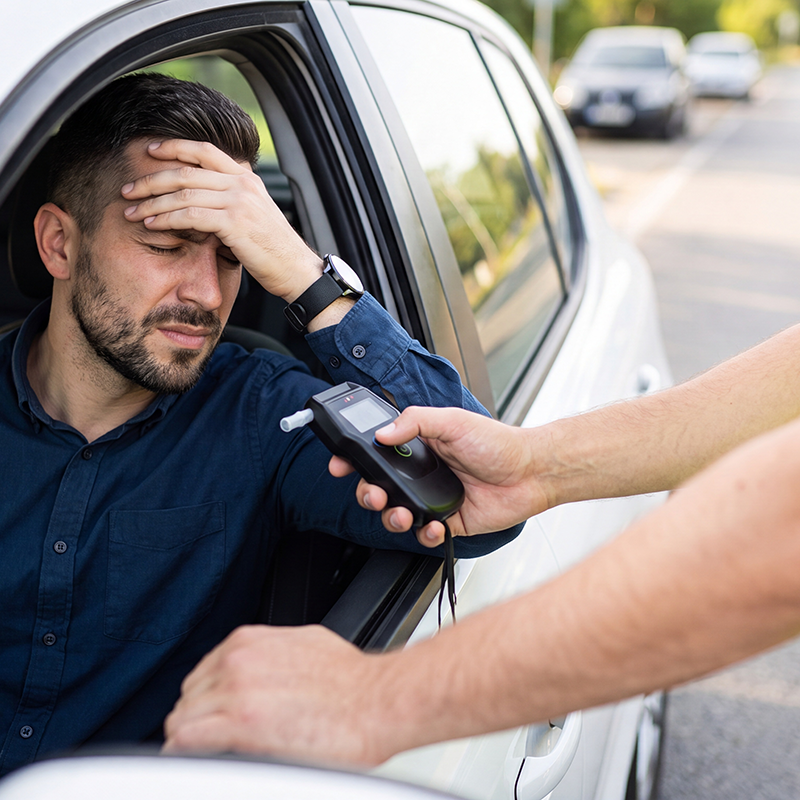

A Number Needs Context
Calling a result evidence does not end the discussion. The useful questions concern the instrument, the procedure and the circumstances of the person tested.
A challenge needs a specific foundation. What happened in this test? What do the records establish? What can a qualified expert explain?
That is the argument here: investigate the particular result rather than assume that every breath test is either infallible or worthless.
What an Experiment Requires
For the Dräger Alcotest 9510, the starting point is the instrument documentation and the records of the actual test.
A breath-test result needs to be examined, not treated as a conclusion. The device produces a measurement. The questions are how reliable that measurement is, what uncertainty surrounds it, and what it means in the individual case.
A useful review identifies the variables that could matter, the safeguards intended to address them and the records showing what occurred. An expert can assess the limits of the result without assuming that every safeguard failed.
The Dräger Alcotest 9510 has safeguards. Washington’s Version 3.2 technical manual describes infrared and fuel-cell measurement, sample-acceptance criteria, interference detection, and calibration functions. Their existence does not establish that every instrument was maintained properly or every test was administered correctly. Reviewing a result means checking how those safeguards operated in the actual test, alongside the instrument records and relevant expert evidence.
Simulator and Breath Temperature
The manual specifies a temperature-controlled simulator for calibration. That simulator temperature is not a measurement of the breath temperature of the person taking the test. The two must not be treated as interchangeable.
Whether breath temperature affected a particular result is a question for device-specific evidence and expert analysis.
A reported result is not self-explanatory. A temperature argument needs to address the actual device and test conditions.
The 34°C figure tells the experiment nothing about the breath temperature of the person taking it. It belongs to the simulator standard. It is not a breath-temperature reading.
Check the configuration of the actual instrument before assuming it measured the subject’s breath temperature or had an optional feature.
How the Sample Was Collected
The sample requirements matter. So do the instructions given while the person provides it.
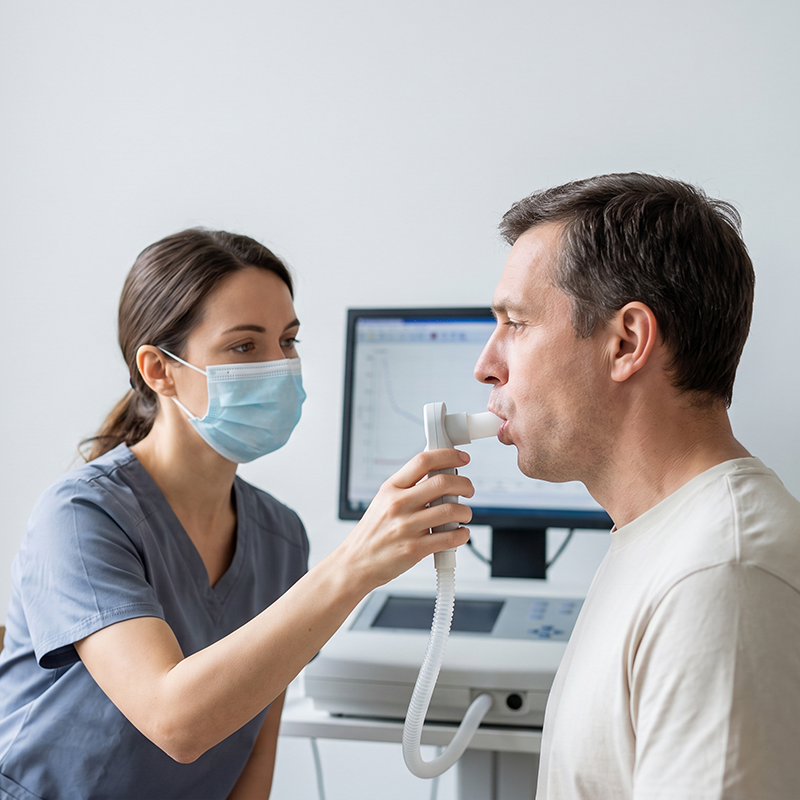
The Version 3.2 manual specifies minimum flow, duration and volume criteria, alongside plateau detection. A criticism of sample collection must account for those criteria and how they operated in the actual test.
An officer’s instruction to keep blowing should be evaluated against the sample requirements and the circumstances of the test. It does not by itself establish that the officer intended to increase the result or knew that would happen.
How a person breathed before the test is another question to investigate. Do not assume a direction or size of effect without relevant expert evidence. Whether breathing patterns were documented, and whether they affected the result, needs to be assessed from the available records and expert evidence.
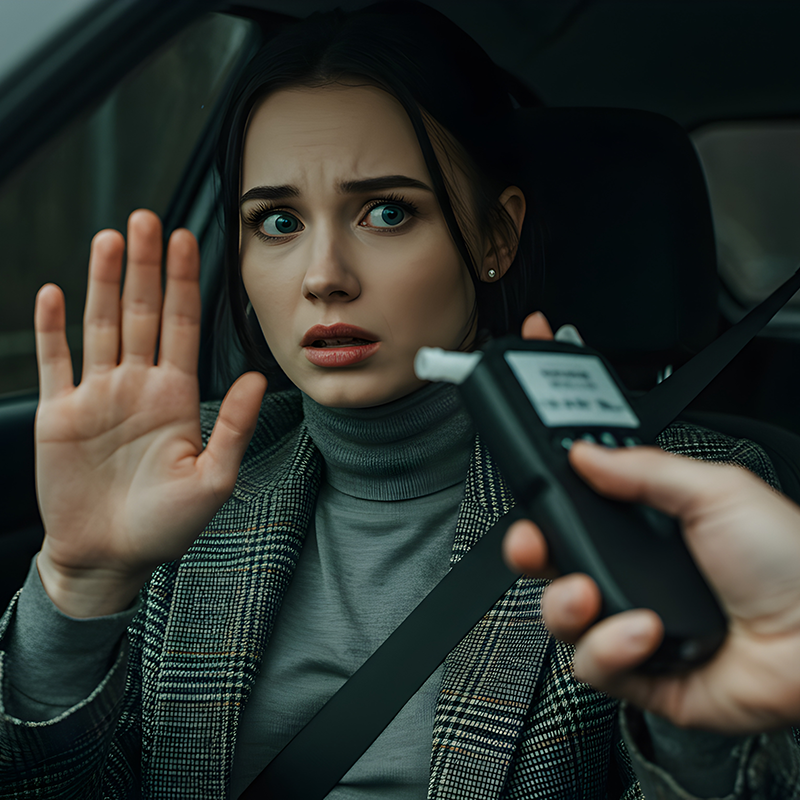
What the Instrument Records Show
A maintenance argument needs the history of the instrument used. Age alone does not show that a result was wrong.
The manual describes infrared and fuel-cell measurement. Any claim about fuel-cell lifespan or declining performance needs manufacturer documentation and the service records for the relevant instrument.
The manual recommends verification of analytical accuracy every twelve months. That recommendation does not establish what happened to a particular instrument. Check its certification, service and repair records.
A passing check and a complete maintenance history answer different questions. Review what was checked, when it was checked and what the records show between checks.
The point is to investigate a documented problem, not assume that routine use means failure.
If an instrument was repaired and returned to service, examine the repair and verification records before drawing a conclusion about the later result.
Calibration records also need context. If a standard changed, identify the dated record, the reason for the change and its significance for the test.
Do not assume a calibration-standard change was made to compensate for a failing fuel cell. That allegation needs its own technical and documentary support.
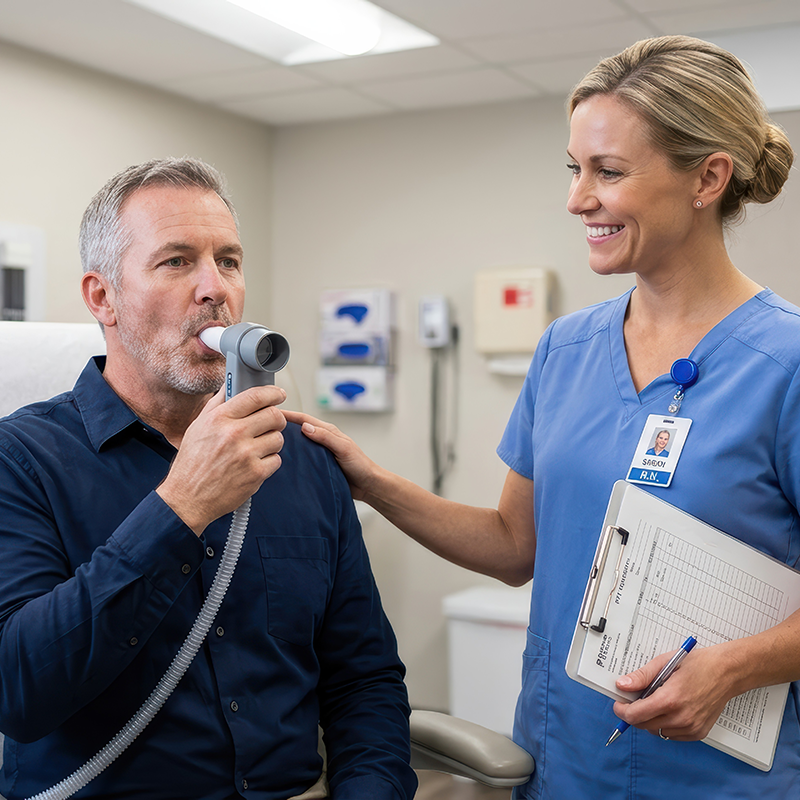
Then There’s the Person
Set the machine aside and consider the subjects of the experiment: people. Every person in the world has at least two things in common—they are full of variables, and no two are alike.
The timing of drinking and testing needs individual review. A qualified expert can assess whether absorption or elimination matters to the interpretation of a result.
Medical conditions and medications belong in the discussion with the lawyer and, where relevant, a qualified expert. Their significance depends on the condition, the device and the test circumstances.
Check what health information was gathered and what the records contain. Do not assume nothing was recorded or that every condition changed the result.
Looking Back to the Time of Driving
The absorption problem has a second life at the other end of the case.
Washington’s DUI law uses an alcohol concentration measured within two hours after driving, but it also permits evidence from samples obtained later. When the state calculates backward from a later test, the assumptions behind that calculation matter.
If a calculation assumes alcohol was being eliminated when absorption was still occurring, that assumption needs examination. The drinking timeline, food intake and test timing are matters for expert review; they do not establish the answer by themselves.
Ask what assumptions the calculation uses, what evidence supports them and how uncertainty affects the conclusion.
Differences Between People
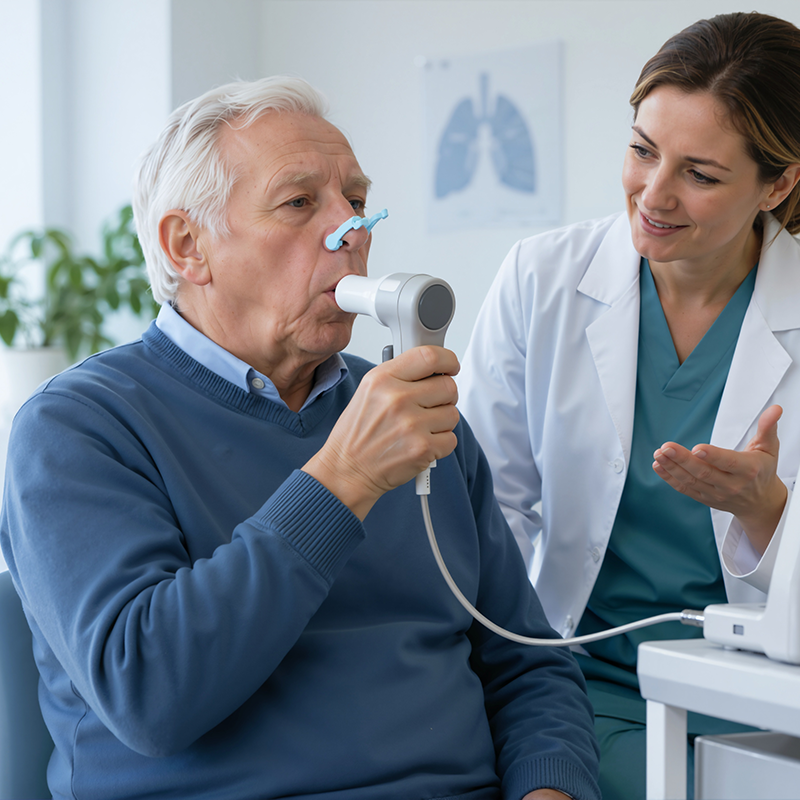
A fixed minimum sample requirement raises a question about how a person’s lung capacity and ability to provide a sample affected the test. Answering it requires device-specific records and expert analysis.
Do not infer demographic bias from the sample requirement alone. Identify the evidence for the claimed effect and whether it applies to the person tested.
The useful question remains what happened in the individual test.
Access to the Technical Evidence
The defense also needs to understand what technical material is available for review.
The Version 3.2 manual describes proprietary software and license restrictions. That does not, by itself, establish what records, training or inspection a defense lawyer can obtain in a particular case.
Ask what was requested, what was provided and whether any access dispute requires further legal action. Do not assume every defense is barred from examining the evidence.
Test results, as we have said before, are frequently the product of devices of fallible character in the hands of ordinary human beings.
The Practical Consequences
Matt Knauss can discuss the practical consequences of the case with you. The applicable requirements need to be assessed individually.
Financial consequences deserve their own review. A breath-test result may be part of the evidence, but the requirements imposed on a driver depend on the applicable law, orders and individual circumstances.
Washington’s statutory interlock periods depend on qualifying prior interlock restrictions, not simply whether this is a first, second or third DUI. The applicable period and removal requirements need to be checked against the driver’s record. Installation, monitoring and removal can add to the financial burden. The applicable requirements, duration and costs depend on the individual case.
Insurance requirements and costs also need to be checked against the driver’s circumstances.
The same applies to any assessment, education or treatment requirement: check the actual order and applicable rules.

Running alongside all of this is the Department of Licensing (DOL), which can suspend a license independently of a criminal conviction. Seven days after the hearing notice to request a hearing. The notice is usually given at arrest in breath-test and refusal cases; after a blood test, DOL may send it later. Seven days to absorb what has happened, find a lawyer, and file the request with the fee or a fee-waiver application. The licensing case can finish before the criminal case, and police paperwork matters enormously. A dismissal or reduction does not automatically undo the licensing action.
A licensing hearing has its own procedures. Ask your lawyer what can be challenged and what evidence is available in your case.
The financial burden does not establish that any particular reading is wrong, or that the people involved intended to avoid scrutiny. The evidence still needs to be examined on its own terms.
What This Means If You Are Charged
The Arrest Was Not the Verdict
Matt Knauss has seen that number from both sides of the courtroom. As a prosecutor, a large part of preparing DUI cases was anticipating the legal challenges defense attorneys would raise.
The number is a starting point, not a conclusion. There is a paper trail behind it. Maintenance logs. Calibration standard records and the dates those standards changed. How many tests that particular machine has run. What the officer said while the sample was being given, and whether available video or other records document it. When the test happened relative to the stop, what the person had eaten, and what medical conditions they live with.
The reliability of a particular result depends on the instrument, procedure and circumstances. Those are questions to investigate in the individual case.
If you are facing a DUI charge in Washington, the breath test result is a piece of evidence worth examining.