


The Real Limits of Security Guard Authority
Let's be clear: A private security guard/loss prevention agent/mall cop has roughly the same legal authority over you as the person standing behind you in the checkout line.
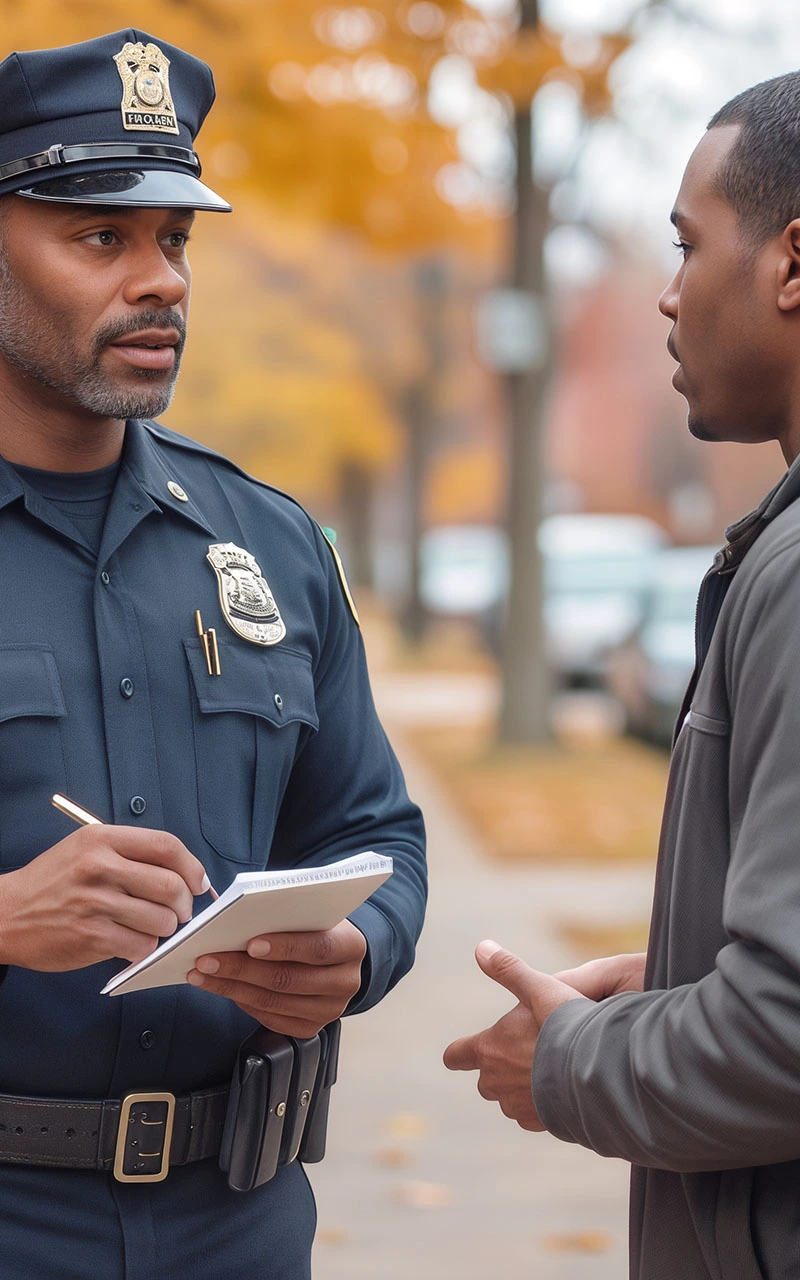
The cool vest doesn't change it. Neither does the badge, the radio, the shoulder patch, the black cargo pants, the flashlight worn at the hip like a sidearm, or the phrase "come with me" delivered in a voice probably practiced for hours in a bathroom mirror.
What power do they have? The power to hold you in a backroom until the police show up, then tell them everything you did and said and be believed.
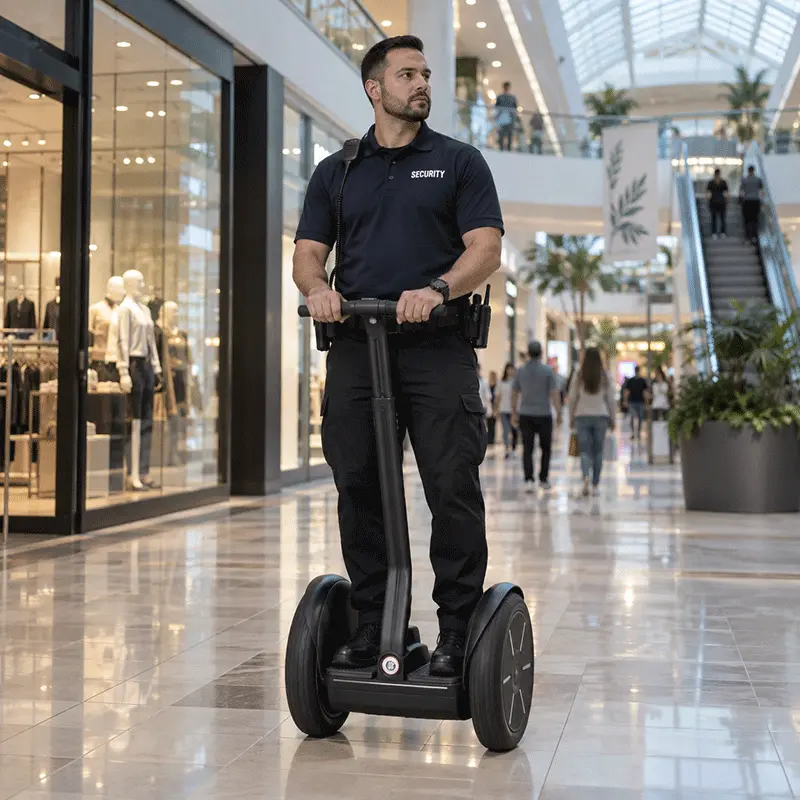
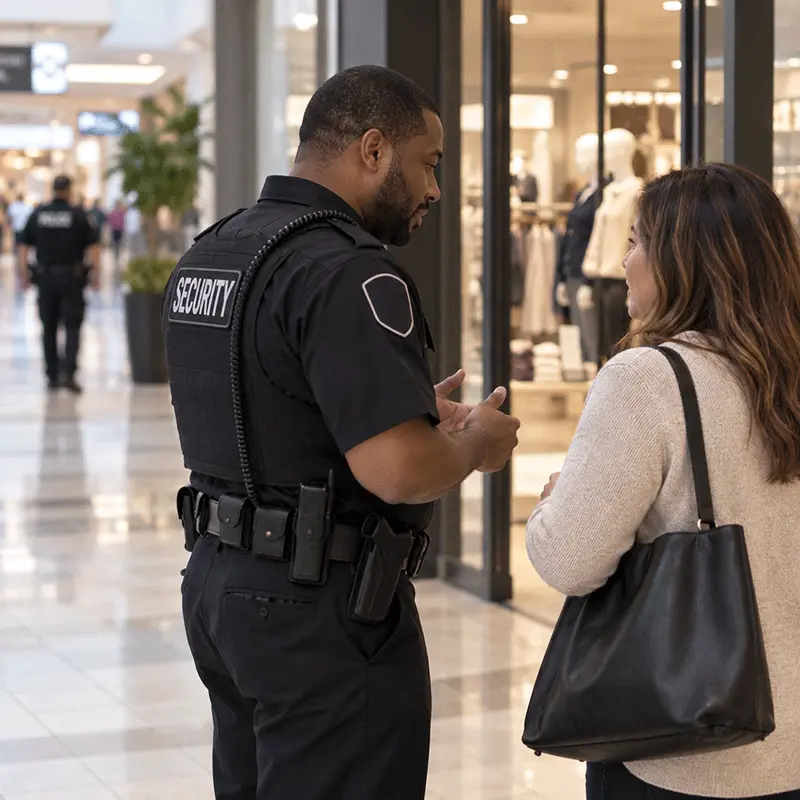
A Security Badge Is Not Police Authority
The Uniform Is a Costume, and the Costume Is Most of the Job
Private security in Washington is an industry built almost entirely on visual suggestion. The look is borrowed from law enforcement on purpose, because that's what produces compliance. Nobody stops walking for a man in a polo shirt. Everybody stops walking for a man in a polo shirt with a badge stitched over the heart. At least until they're close enough to read the fine print on the badge.
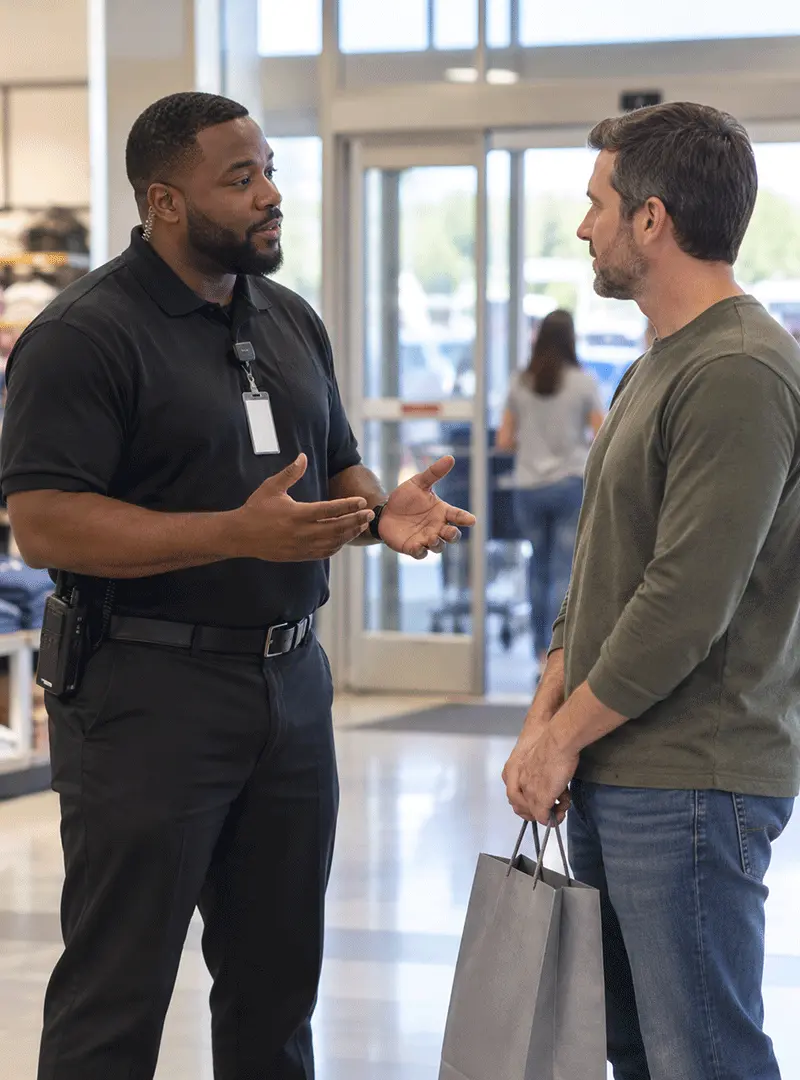
Retail loss prevention agents often skip the costume entirely and go the other direction — street clothes, a shopping basket, a lanyard tucked into a shirt. Different wardrobe, identical strategy. Look official enough, or invisible, or better yet like an undercover cop out of The Wire, that the person they approach doesn't think twice about stopping for them. Better yet, that the person they stop starts talking and doesn't stop.
So, the question stands, who are these 'rent-a-cops' and what are they legally permitted to do? The answer, in almost every case, is: a private citizen, and very little – even when the 'rent-a-cop' is an off-duty real cop.
Washington Limits How Security Guards Present Their Authority
Washington licenses private security guards. The licensing rules prohibit them from dressing or behaving in a way that suggests they are peace officers. When they interact with you, they're not allowed to imply they are cops.
They, however, imply it constantly. It is, functionally, the entire business model. The badge is the wrong shape on purpose so it clears the rule while reading as a badge from six feet away. The vest says SECURITY in the same block lettering and the same placement that a different vest says POLICE.
None of that is an accident and none of it is technically legal. It is a rule observed about as faithfully as the speed limit, for the same reason: nobody's watching, and it works. People stop. Worse, people engage.
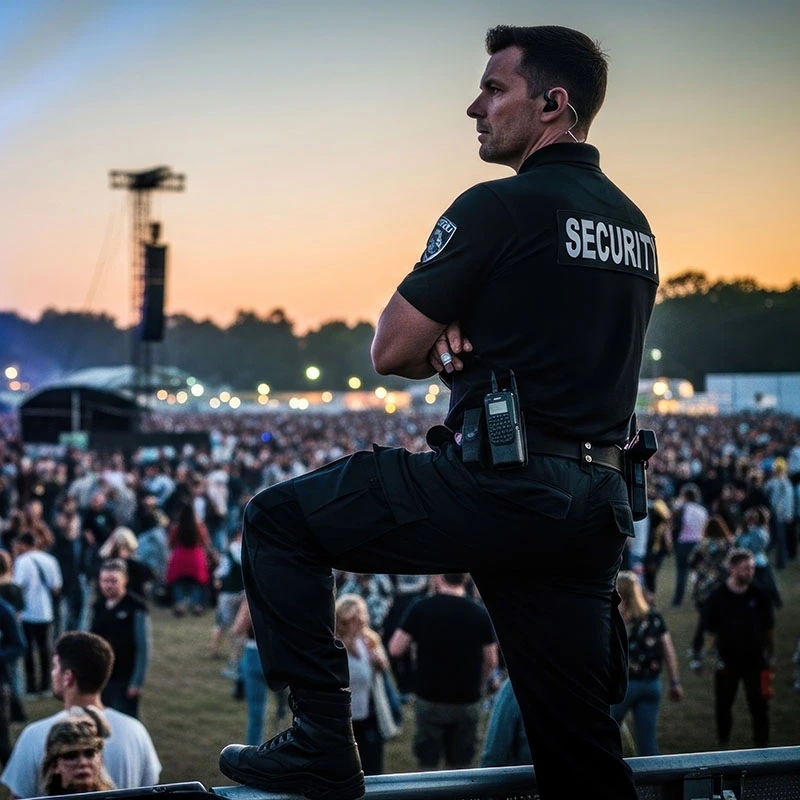
The Limits of Shopkeeper’s Privilege in Washington
Their One Real Power, and It Is Narrower Than They Want You to Believe
Washington recognizes what is generally called the shopkeeper's privilege. A merchant who has reasonable grounds to believe someone has taken merchandise may detain that person, on the premises for a reasonable time in a reasonable manner in order to investigate.
Reasonable grounds. Reasonable time. Reasonable manners.
It's important to note that this is in no way a grant of police power. It is a defense. It exists so that a store which detains someone in good faith does not automatically lose a false imprisonment lawsuit. It protects the store from you. It does not create authority over you.
A loss prevention agent cannot arrest you in the sense that word is normally used. They cannot search you over your objections. They cannot take your phone. They cannot compel you to produce identification. They cannot hold you for an hour because the shift supervisor is on break. They cannot follow you across the parking lot, off the property, and down the street on a hunch.
They can and will say they can do all of those things. They cannot but it's up to you to know that.
Your Miranda Rights Do Not Work the Same with Mall Security
A Mall Cop Is Not a Police Officer — Which Is Worse for You, Not Better
That's right, mall cops are obviously not police officers and that makes everything worse for you if you're stopped and/or interviewed by one.
All the constitutional protections you have heard about your entire life are protections against the government. The Fourth Amendment restrains the state. Miranda warnings apply to custodial interrogation by law enforcement. The exclusionary rule suppresses evidence gathered improperly by police. You've encountered these a million times on Law & Order alone.
Note that private security guards in all their forms are not the government. They are, therefore, not bound by anything in the paragraph above.
What this really means: no one is going to read you your rights in the back office, because no one is required to. No one is going to suppress the statement you made to a twenty-three-year-old in a clip-on tie, because the rules that suppress statements do not apply to twenty-three-year-olds in clip-on ties. The protections that would have kicked in if a Seattle police officer had asked you the same question, in the same room, five minutes later, simply are not there.
People walk into that office thinking they are getting a break — that this is the low-stakes version, the one that happens before the real thing starts, the one where they can explain and go home.
It is not the low-stakes version. It is the evidence-gathering version, conducted by someone who does not have to follow the rules a detective would.
We hope it goes without saying that everything you do and say will be reported to the police along with the store and backroom videos.
What You Tell Loss Prevention Can Become Evidence
Everything Said in That Room Becomes a Witness Statement
The back office at a big-box store is not a legal gray zone. It is a collection point.
The loss prevention agent is writing while you talk. What gets written is not a transcript, it is a summary, composed by the person whose job performance is measured in recoveries, who has already decided what happened, and who will hand that document to a police officer.
The questions sound conversational. They are not; they are designed to elicit evidence for the real police.
"Did you forget to pay for it?" That is not sympathy. That is an invitation to admit possession.
"Is this the first time?" That is not curiosity. That is an attempt to establish a pattern.
"Just tell me what happened and we can get this over with." That is not a deal. They cannot offer you a deal. They cannot make it better than you. They have no authority to offer you anything, because they are not the prosecutor, and the prosecutor has not even heard your name yet.
Then there's the form. There is almost always a form. Sometimes it is a statement, sometimes it is a trespass notice, sometimes it's both stapled together. It will be presented as paperwork — routine, procedural, the last box to check before you can leave. Signing it will feel like the end of something and, really, by this point all you want to do is get out of there and go home.
It is, instead, the beginning of something.
Loss Prevention Statements and Security Footage as Evidence
The Video Was Always Going to the Police. Your Statement Did Not Have To Be
This is the distinction that matters more than anything else, and almost nobody makes in the moment.
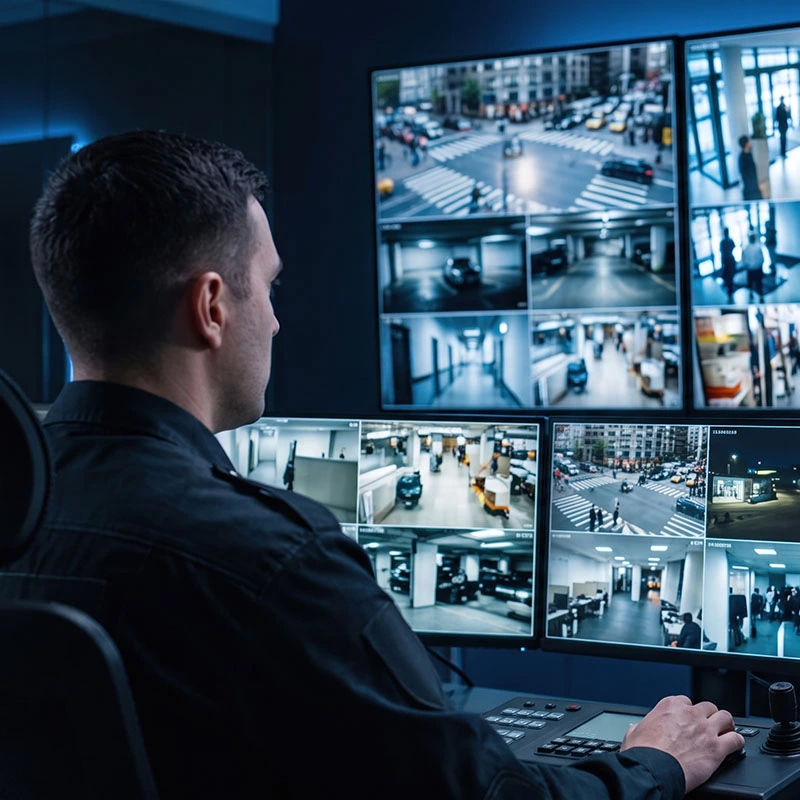
The store's cameras recorded whatever they recorded. That footage exists independent of anything you do. It will be preserved, copied, and turned over regardless of whether you say a single word. You have no control over it. Nothing you say will improve it.
Your statement is different. Your statement is the only piece of evidence in the entire case that is entirely within your control — right up until the second you decide to be helpful.
A grainy camera angle showing a person putting something in a bag is a weak case. A grainy camera angle plus a signed admission is a case that gets filed, gets charged, and gets very hard to contest.
Again, you weren't Mirandized because mall cops don't have to inform you of your rights. Forget everything you have ever heard, seen, or think you know about hearsay rules. Everything you say to a mall cop you volunteered to say and it will be used against you, in full or selectively.
The Legal Risks of Physically Resisting Store Security
Do Not Put Your Hands on Them
Whatever the temptation – there may be many – do not touch, try to push by, or in any way physically interact with any iteration of a mall cop. Doing so will turn what is otherwise a lousy day into a criminal record.
Assault in the Fourth Degree in Washington requires no injury. It requires no mark. Contact that a reasonable person would find offensive is enough. Shoving past someone who is blocking a doorway qualifies. It is a gross misdemeanor carrying up to 364 days.
It can get worse.
Little known fact: Washington's Assault in the Third-Degree statute covers assaults on security officers employed by public or private transit companies or contracted transit providers while performing their duties. It is a Class C felony.
The same statute covers conduct intended to prevent or resist a lawful detention. If a court later concludes the merchant's detention was lawful, physically breaking away from can result in a charge far more serious than the underlying theft allegation ever would have been.
So the person who was going to be cited for a forty-dollar item and released instead leaves in handcuffs on a felony charge. Like much of criminal law, what looks simple rarely is.
What to Do When Stopped by Store Security
What to Actually Do When Someone in a Vest Says "Come With Me"
Stop walking. Do not run. Running converts an accusation you might beat into behavior that supports it.
Stay on the property and stay visible. Public space, other people, cameras pointed at everyone.
Do not consent to a search of your bag, your pockets, or your person. They can ask. Asking is all they can do.
Do not sign anything. Not a statement, not a form, not a trespass notice, not the thing they describe as "just an acknowledgment."
On the trespass notice in particular: there are other stores. Do not go back. That is the entire analysis.
Ask, calmly and out loud: "Am I free to leave?" Ask it more than once. Note the answer – and, remember, you're on camera.
Say nothing about the merchandise. Not an explanation, not a denial, not a joke, not the true and completely innocent story you are certain will clear this up in ten seconds.
When police arrive — if this has gone this far, police are arriving — the entire script becomes two words. "Lawyer, please."
That is it. That is the whole strategy. You are not being rude. You are declining to hand a stranger the only evidence he does not already have.
What a Shoplifting Civil Demand Letter Means
Then, Weeks Later, Comes the Letter
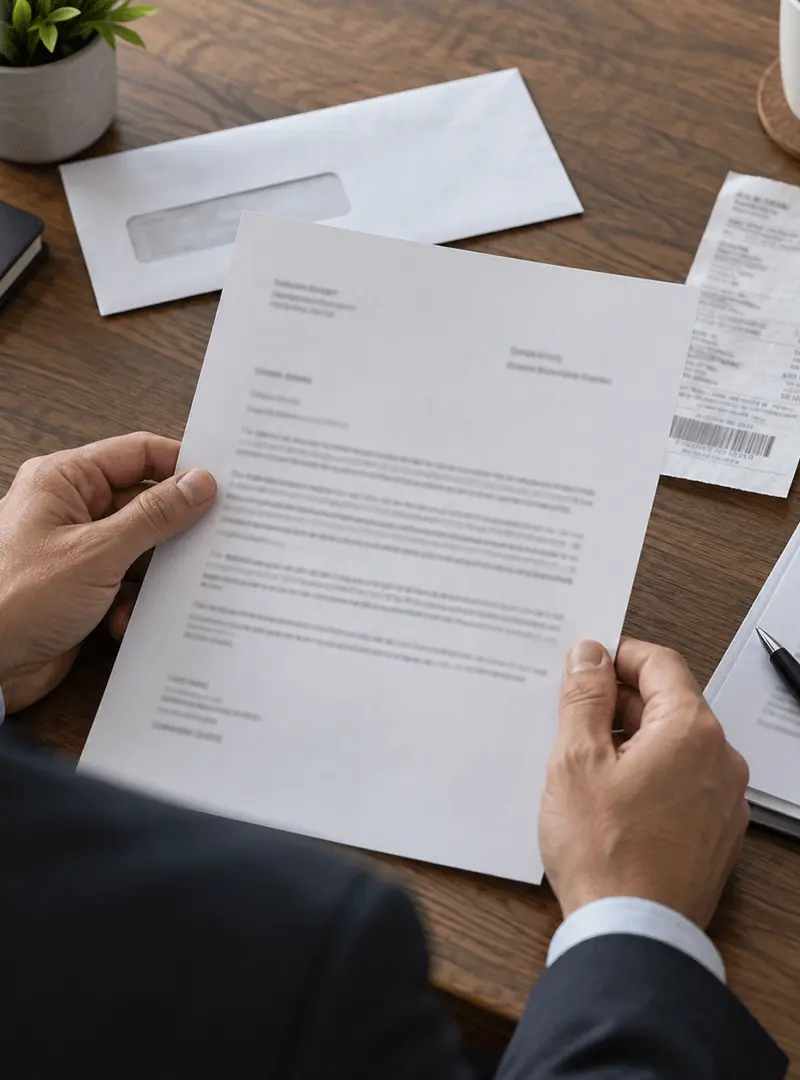
At some point after all of this, a letter may arrive. It is from a law firm you have never heard of, on behalf of a retailer, demanding a sum of money and warning of civil litigation if you do not pay promptly.
This is a civil demand. Washington law permits merchants to pursue civil damages from people accused of retail theft, and an entire cottage industry exists to send these letters in volume.
Two things people get badly wrong about it:
Paying the civil demand does not end the criminal case. They are separate proceedings in separate systems. The prosecutor does not care that you paid, and often does not know.
The letter is a demand, not a judgment. Nobody has ruled on anything. It is a request for money, printed on letterhead engineered to look like a court document.
Do not pay it, do not respond to it, do not throw it away. Bring it to your attorney.
Get a Retail Theft Defense Lawyer on Your Side
Talk to a Lawyer Before You Talk to Anyone Else
Retail theft cases move faster than people expect. Charging decisions get made, arraignment dates get set, and civil demand letters go out while most people are still telling themselves it was a misunderstanding that will sort itself out.
If you were detained by store security anywhere in the Greater Seattle area — whether or not you were arrested, whether or not anyone has charged you yet — call Knauss Law now. The window in which this is easiest to address is open right now, and it closes.
Knauss Law is a criminal defense firm in Washington State. We represent clients facing theft, assault, DUI, and domestic violence charges throughout the Greater Seattle area.