


Physical Control Charges Without Driving the Vehicle
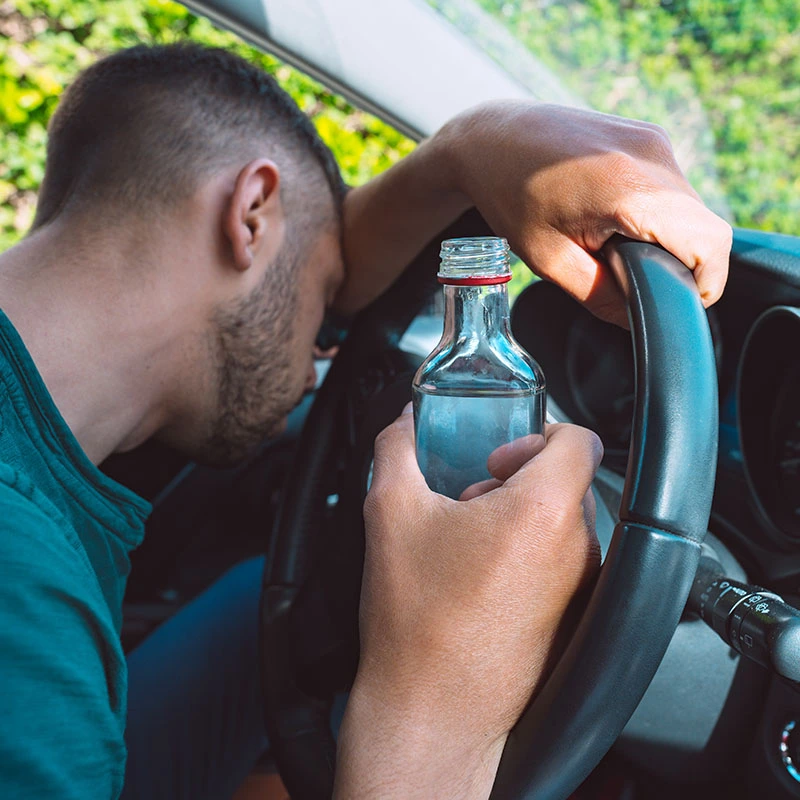
You did what everyone tells you to do. You had too much to drink, you knew it, and you decided not to drive. You got in your car, turned it off, reclined the seat, and went to sleep. A few hours later there was a flashlight in your window, and now you’re charged with a crime that carries the same penalties as a DUI — up to 364 days in jail, a five-thousand-dollar fine, a license suspension, an ignition interlock requirement.
The charge is called Physical Control of a Vehicle While Under the Influence. If this is the first time you’re hearing about it, you’re not alone. Most people learn it exists when they are arrested. We cover the charge itself on our Physical Control defense page. This page is about the one defense the legislature wrote directly into the statute — and why it’s harder to use than it sounds.
The Defense the Legislature Built Into the Law
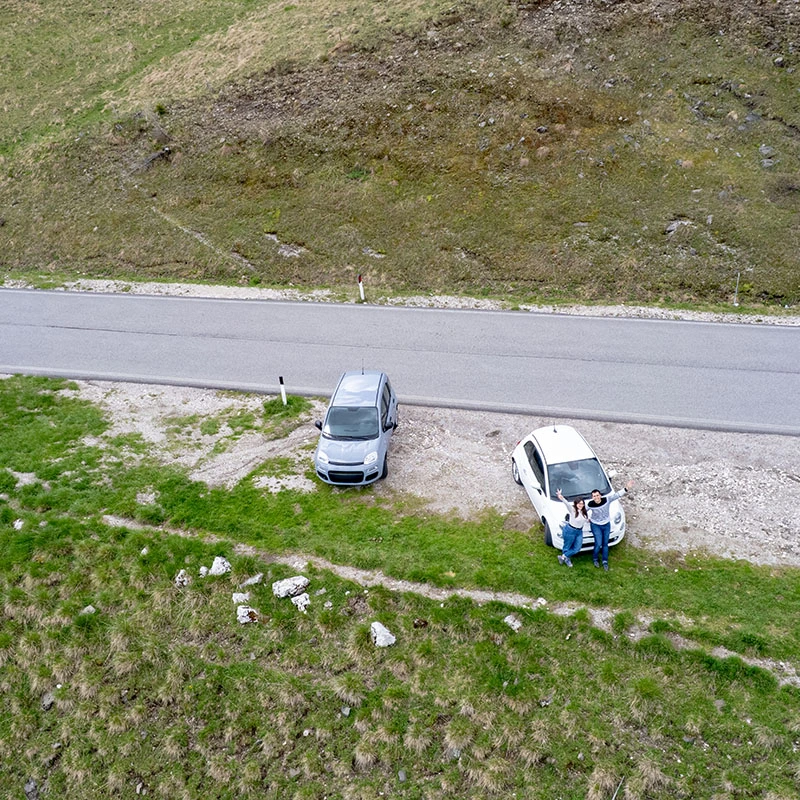
Washington’s physical control statute contains its own escape hatch. If, before any law enforcement officer pursued or contacted you, you moved your vehicle safely off the roadway, you cannot be convicted of physical control. Full stop. It’s not a mitigating factor. It’s not something the judge considers at sentencing. It’s a complete defense.
The legislature put it there for a reason. The physical control law exists to keep impaired people from driving. But if the law punished everyone found sleeping in a parked car exactly the same as someone weaving down I-5, nobody would ever pull over. The defense is supposed to reward the person who stopped.
That’s the theory. In practice, prosecutors treat the defense as an obstacle, and they’ve gotten good at getting around it. Understanding how requires taking the phrase apart, word by word — because that’s exactly what the prosecutor will do.
Establishing the Safely Off the Road Defense
Problem: You Have to Prove It
“Safely off the road” is an affirmative defense. In an ordinary criminal case, the state has to prove every element beyond a reasonable doubt and you don’t have to prove anything. Not here. Once the state says you were in physical control of the vehicle while under the influence, the burden shifts to you. You have to prove — by a preponderance of the evidence — that you moved the vehicle safely off the roadway before the police showed up.
Think about what that means. The presumption of innocence doesn’t carry this defense for you. Your word alone rarely does either. You need evidence: where the car sat, how it got there, when the engine went cold, what the timeline looks like. The defense is real, but it has to be built. It doesn’t assert itself.
The Role of Police Pursuit in the Safely Off the Road Defense
“Prior to Being Pursued” — Timing Is Everything
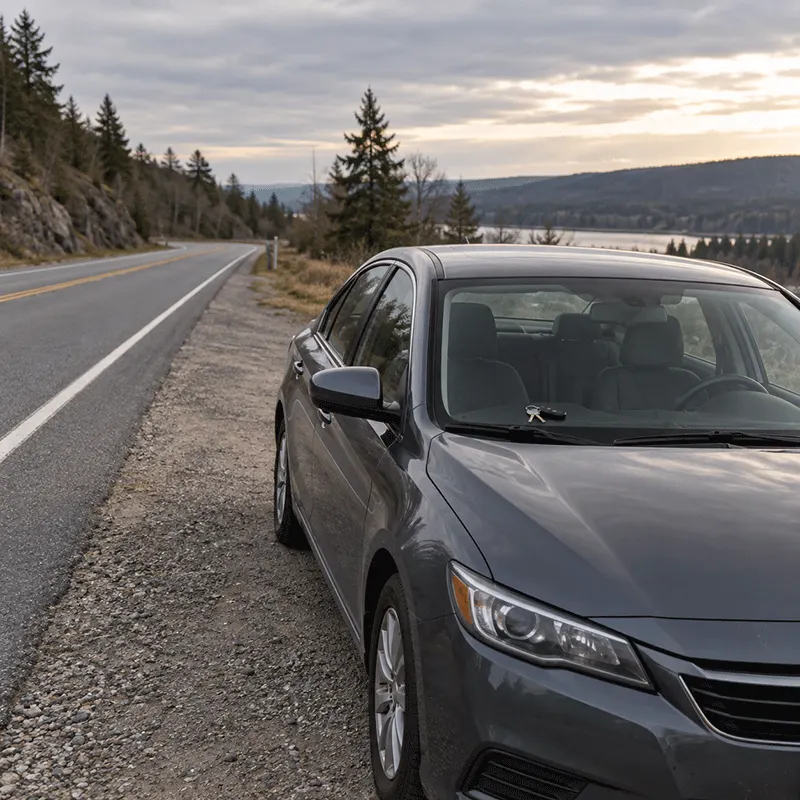
The defense only covers a decision you made before law enforcement entered the picture. If you pulled onto the shoulder because you saw lights in your mirror, the defense is gone. If you parked because a patrol car was following you, the defense is gone. The statute rewards the driver who stopped on their own — not the driver who stopped because they were about to be pulled over.
This is where police reports do quiet damage. An officer who writes that they “observed the vehicle pull to the shoulder” has just handed the prosecutor an argument that you parked in response to police presence, whether that’s true or not. The sequence of events — minute by minute — matters more in these cases than almost any other detail.

Where a Vehicle Must Be Parked for the Defense to Apply
“Off the Roadway” — The Shoulder Is Not a Safe Harbor
Here’s something else that catches the people who were genuinely trying to do the right thing. The shoulder of a highway is a terrible place to claim this defense. Prosecutors argue — often successfully — that a shoulder is part of the roadway system, that a car parked on one is feet from live traffic, and that “off the roadway” means actually off it.
Where the car sat is often the whole case:
A marked stall in a parking lot is strong.
A residential street, legally parked at the curb, is strong.
A rest area is strong.
The shoulder of a highway is weak.
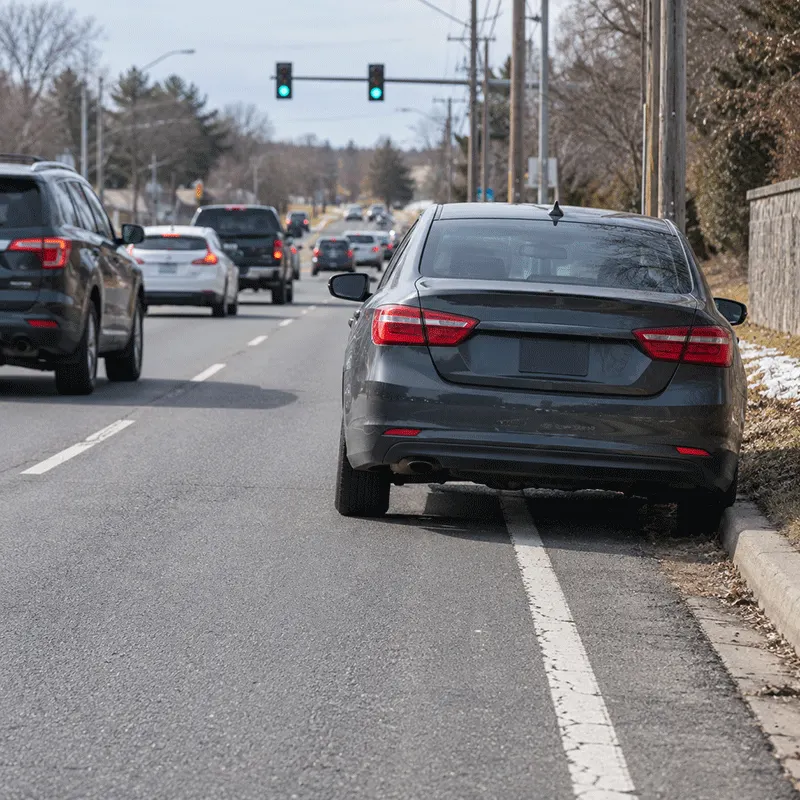
An exit ramp, a turn lane, a bike lane, or anywhere the car is partially in a travel lane is close to fatal.
The frustrating truth: the driver who made it two more blocks to a parking lot has a defense, and the driver who stopped immediately on the shoulder — arguably the more cautious decision in the moment — may not. The law doesn’t grade on effort.
Pro tip: if the officer who arrested you left your car right where they found it and never had it towed, it was in a safe area no matter what the prosecutor claims later.
When a Parked Vehicle May Not Be Considered Safe
“Safely” — The Word Prosecutors Love
Even a car that is fully off the roadway can fail the defense if it wasn’t moved there safely, or if where it ended up creates a hazard. A car angled across two stalls. A car with its nose hanging into a traffic lane. A car in a ditch. A car blocking a driveway or a fire lane. Prosecutors will use any of it to argue that whatever you did, you didn’t do it safely.
They’ll also reach for the details inside the car. Engine running for heat. Headlights on. Keys in the ignition. Transmission in drive with your foot on the brake. None of these automatically kills the defense, but each one gives the prosecutor a way to argue the car wasn’t parked — it was paused.
Why “I Wasn’t Going to Drive” Isn’t Enough
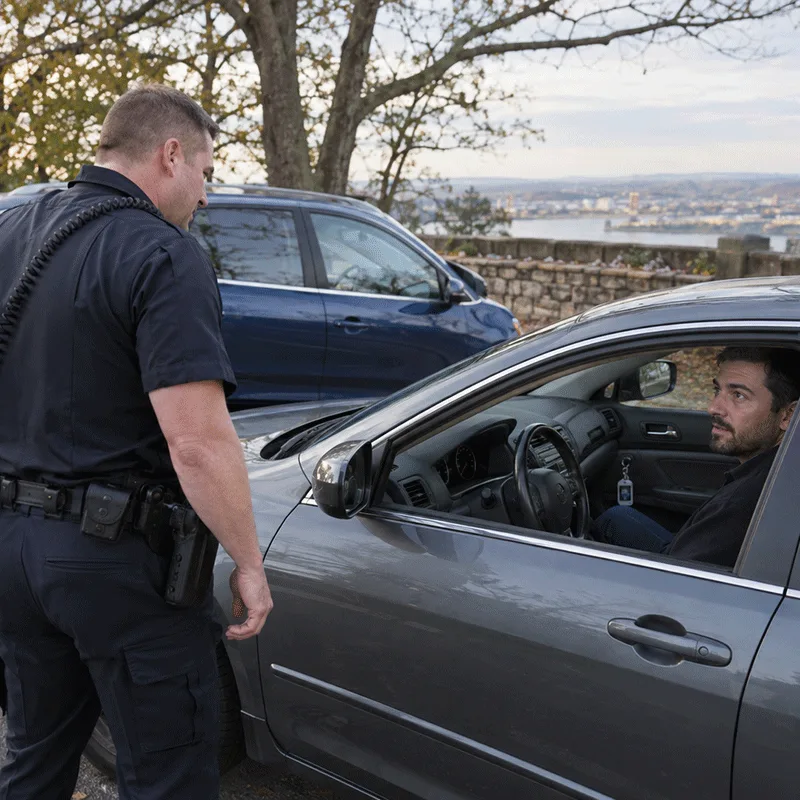
Nearly every physical control client says some version of the same thing: I wasn’t going to drive. I was waiting it out. And nearly every one of them said it to the officer, believing it would help.
It doesn’t, because the defense isn’t about intent. The statute doesn’t ask what you meant to do. It asks where the vehicle was and how it got there. Your intentions — however genuine — don’t move a car off a roadway. Worse, statements about your plans tend to get repurposed. “I was going to sleep for a couple hours and then head home” becomes, in the report, an admission that you intended to drive while still impaired.
Intent isn’t worthless. It matters in negotiations, and it matters to a jury’s sense of who you are. But it is not the defense, and treating it like one is how people talk themselves out of the defense they actually had.
How Prosecutors Attack the Defense
When the safely off the road defense shows up in a case, the state’s playbook is consistent. They attack the timing — arguing you stopped because of police presence. They attack the location — arguing the shoulder or the ramp is part of the roadway. They use the word ‘safely’ as a weapon — pointing to the running engine, the position of the car, the keys. And they attack with your own words — whatever you told the officer at the window, at two in the morning, half awake, trying to be helpful.
And if the evidence lets them, they go one step further: they argue you drove to that spot while already impaired, on a public road, before you parked. The safely off the road defense applies to physical control. It is not a defense to DUI. A prosecutor who can prove impaired driving on the roadway — through witnesses, video, or your own account — doesn’t need to beat the defense. They just change the theory. This is one more reason the roadside conversation is where these cases are so often lost.
What Actually Proves the Defense
The good news: the same details prosecutors use to attack the defense can be used to establish it, if they cut your way and someone gathers them in time.
An engine that was cold when the officer arrived.
Keys in the back seat, the console, or your pocket — anywhere but the ignition.
A legally parked car in a marked space, away from traffic.
Bar receipts, ride-share attempts, and text messages that establish the timeline.
A reclined seat, a blanket, a phone alarm set for morning.
None of these is decisive alone. None of them will keep you from getting arrested. Together, they tell a story the statute was written to protect: someone who recognized the problem and took themselves out of it.

How We Build the Defense
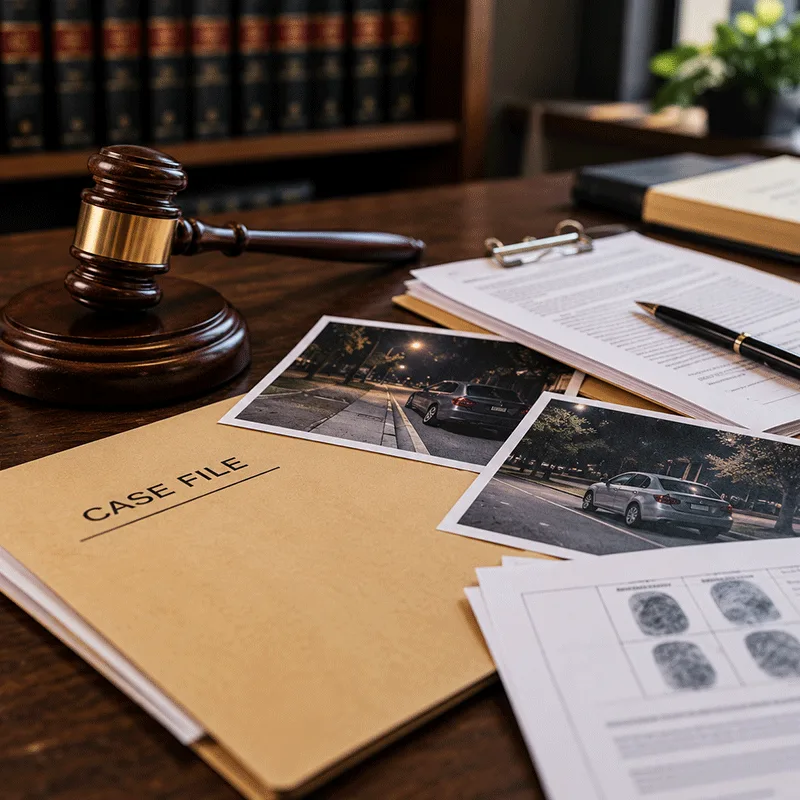
We start by reconstructing the night, hour by hour — where you were, when you left, how the car got where it was found, and what the officer actually observed versus what the report implies.
We present the defense early, in writing, with the evidence attached — because a documented safely off the road defense is often what turns a physical control charge into a reduction or a dismissal before trial is ever on the calendar.
Start Building the Defense While Evidence Is Available
You Stopped. That Decision Should Count.
The safely off the road defense exists because the legislature understood something prosecutors sometimes forget: the person asleep in a parked car made a better decision than the person still driving. But the defense doesn’t apply itself. It has to be proven, with evidence that starts disappearing the moment the tow truck arrives.
Call Knauss Law today. The earlier we start, the more of that evidence still exists.
Knauss Law is a criminal defense firm in Washington State. We represent clients facing DUI and physical control charges throughout the Greater Seattle Area.