


How Physical Control Charges Apply Even Without Driving
You weren’t driving. The engine may have been off. You may have pulled over precisely because some part of you knew you shouldn’t get back on the road. And you were arrested anyway.
That is the part most people can’t wrap their heads around. A physical control charge often surprises people because they believed they were avoiding a DUI by not driving.
They did the cautious thing, and ended up facing the same penalties as someone who blew a hot number doing seventy on I-5. In Washington, that charge has a name: Physical Control of a Vehicle While Under the Influence. It is not a DUI. But the system treats it almost exactly like one, and the only place the two charges really diverge is in how they get fought.
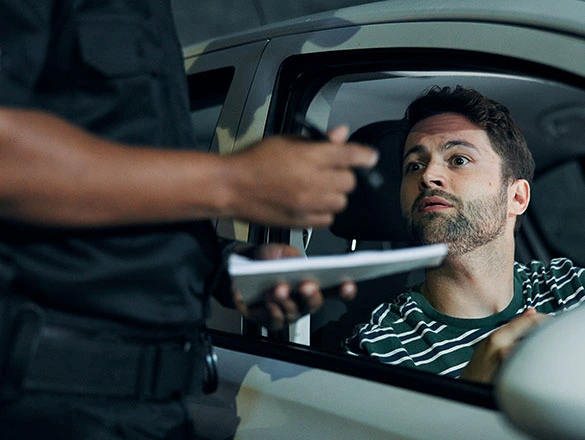
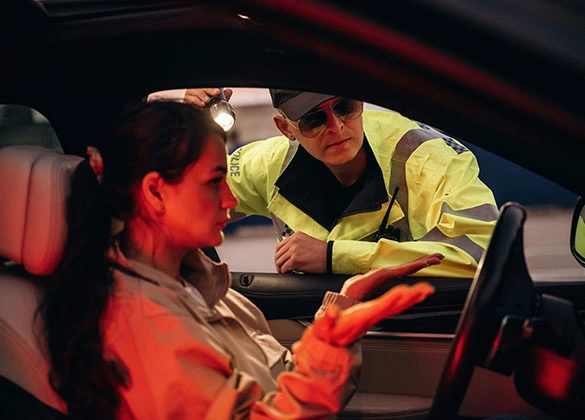
You Don’t Have to Be Driving to Be Charged
Under RCW 46.61.504, the question is not whether the car was moving. It is whether you were in the vehicle, under the influence of alcohol or drugs, and in a position to operate it. That last piece does most of the damage.
Courts have found that sitting in the driver's seat with the keys within reach is enough—the engine doesn't have to be running, and the wheels don't have to have turned an inch.
And just as with a DUI, an officer does not need a .08 to make the arrest. Physical control can be built on the "totality of the evidence": slurred speech, the smell of alcohol, an open container, and your own answers to the officer's questions. The number is helpful to the state when they have it. They do not need it to charge you.
How These Arrests Actually Happen
There is a pattern, and it is almost always the same story told a slightly different way:
You left a bar, recognized you were in no shape to drive, and decided to sleep it off in the parking lot.
You were parked, not on a road, waiting to feel steady enough to head home.
You ran the engine for heat on a cold night and dozed off behind the wheel.
None of those decisions was reckless. Several of them were the opposite. But an officer who taps on your window at two in the morning isn’t weighing your intentions. They’re writing a report, and the report becomes the case.
It Carries the Same Weight as a DUI
Physical control sounds less. It isn’t. A conviction carries the full DUI penalty range:
- Up to 364 days in jail
- Up to $5,000 in fines
- License suspension through the Department of Licensing
- A required Ignition Interlock Device (IID)
- Mandatory alcohol or drug assessment and treatment
- Probation
Same record. Same insurance fallout. Same long tail. The label on the charge is the only thing that’s smaller.
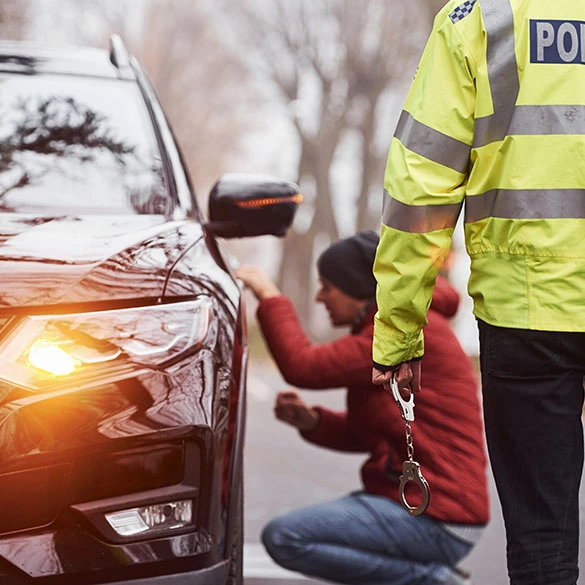
The “Safely Off the Road” Defense and Why It Isn’t Automatic
Washington law does give you a real defense here. If you pulled over, shut off the engine, and were genuinely trying to keep yourself off the road until you were sober, the law recognizes that. This is the “safely off the road” defense, and in the right case, it is powerful.
But read that carefully, because this is where people get hurt: it is a defense you have to prove. It is not a free pass that kicks in the moment you park.
The burden is on you to prove the defense. Small details often determine whether it succeeds, including where the car was parked, whether the engine was off, where the keys were, whether you were in the driver's seat, and what you told the officer. "I was being responsible" is the argument. The details are what win it.
Two Separate Fights, Two Separate Clocks
A physical control arrest doesn’t set off one case. It sets off two, and they run on different tracks.
The criminal case is about the charge itself - jail, fines, probation - and it plays out in court over weeks or months.
The license case is about your right to drive, and it belongs to the Department of Licensing. You have just seven days from the arrest to request a DOL hearing. Miss that window and your license is almost certainly suspended, no matter what happens later in court.
The DOL doesn’t hold itself to the standard a courtroom does. It only has to find, by a preponderance of the evidence, that you were probably over the limit or refused a test. That’s a lower bar, decided largely on paperwork, which is exactly why the clock matters so much.
Why Prosecutors Treat It Like a DUI
There is an assumption baked into how these cases get handled, and it’s worth naming: prosecutors and judges tend to look at a physical control case and quietly read it as a DUI that got interrupted. As if you had been caught a few minutes before, you would have pulled out.
That assumption isn’t in the statute, but it shapes the offers, the conditions, and the tone of the whole case. A good defense doesn’t just argue the facts. It refuses to let that assumption go unchallenged.
The Long-Term Consequences of a Physical Control Conviction
Like a DUI, a physical control conviction in Washington is permanent. There is no expungement. It can sit on your record for the rest of your life, surfacing for employers, licensing boards, and anyone else who looks. A second alcohol-related driving conviction can also affect your firearm rights. The penalties you serve are the short-term cost. The record is the one that follows you.
Call Knauss Law. The earlier we start, the more options we have, and with a seven-day clock running on your license, earlier is not a figure of speech.
Matthew Knauss is a criminal defense attorney in Washington State. He represents clients facing DUI and physical control charges throughout the Greater Seattle area.