


What People Get Wrong Before the Charge Happens
The most dangerous thing about a physical control charge is that almost everything people assume about it is wrong—and they usually find that out at the worst possible moment, standing in a parking lot at two in the morning with an officer writing down every word. Here are the beliefs that get people in trouble, and what the law actually does with them.

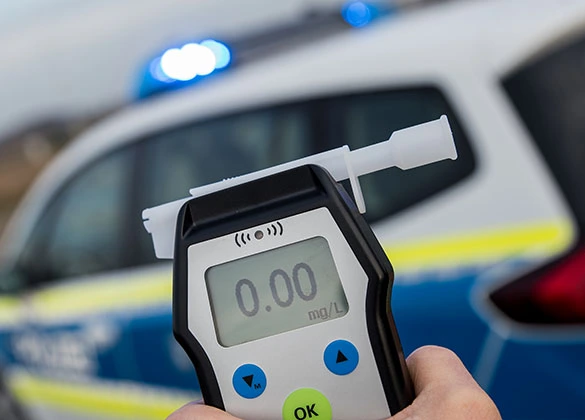
“I wasn’t driving, so this can’t be a DUI.”
You’re half right. It isn’t a DUI. It’s physical control—a separate charge that exists precisely so the state can pursue people who weren’t driving. Driving was never the requirement. Being in the vehicle, impaired, and able to operate it is. The distinction you’re leaning on is the distinction that put you here.
“The engine was off, so they can’t touch me.”
A dead engine helps you. It does not save you. The car does not have to be running, and the wheels do not have to be moving. Sitting in the driver’s seat with the keys within reach is enough. The engine being off is a fact your defense will use—not a wall the state can’t get over.
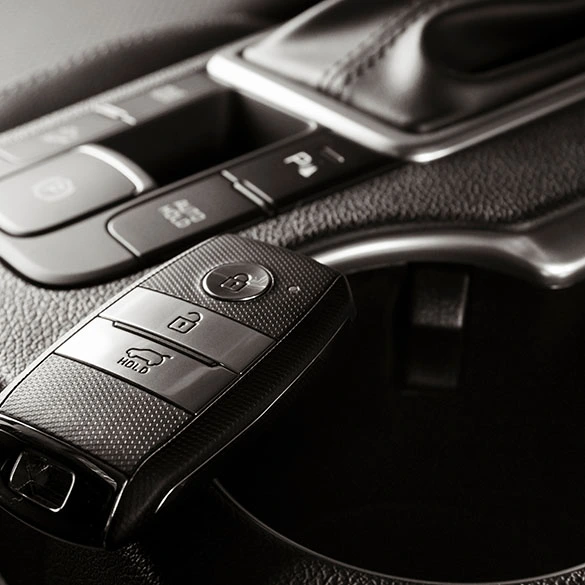
“The keys weren’t even in the ignition.”
Where the keys mattered, but not the way most people think. Keys in the ignition make the state’s case easier. Keys in the cup holder, on the passenger seat, or in your pocket don’t end it—“nearby” has been enough for a court. It’s a detail worth fighting over. It is not a magic word.

“I was in the back seat, so I obviously wasn’t going anywhere.”
The position is genuinely useful here, and a good lawyer will press it hard. But don’t assume it settles things on its own. The question the law asks is whether you were able to operate the vehicle, and officers and prosecutors will read the scene to fit the answer they want. Where you were sitting is evidence. It is not a verdict.
“I did the responsible thing and slept it off. The law has to reward that.”
The law does recognize it—that’s the “safely off the road” defense, and it can win cases. But it is a defense you have to prove, not a shield that drops automatically the second you park.
The burden is on you to show you genuinely took yourself off the road: where you stopped, whether the engine was off, and where the keys were. Doing the right thing is the start of the argument. It is not the end of it.
“Physical control is a lesser charge than DUI.”
It sounds less serious. It isn’t. The penalties mirror a DUI almost exactly—up to 364 days in jail, up to $5,000 in fines, license suspension, an ignition interlock requirement, mandatory treatment, and probation. Same record. Same consequences. The smaller-sounding name is the only thing that’s actually smaller.
“No one saw me drive, so they have no case.”
This is the belief that does the most quiet damage, because it feels airtight. It isn’t. The state does not have to prove you drove. That is the entire point of the charge. No witness, no dashcam of you behind the wheel on the road—none of it is the hole in their case you think it is.


“It was a private parking lot, not a public road.”
Where the car was parked is one of the most important facts in the whole case—a private lot is better for you than a highway shoulder. But “private property” is not an automatic exit. It’s a strong piece of the safety-off-the-road argument, and it has to be built, not just stated.
“I’ll just explain what really happened to the officer.”
This is how good facts become bad reports. Whatever you say goes into the report, and the report gets written to support the arrest the officer already made. Your explanation—“I only pulled over to sleep,” “I’d only had a couple”—becomes the state’s evidence that you were impaired and in the car. The time to tell your story is later, through your lawyer, on your terms.
Matthew Knauss is a criminal defense attorney in Washington State. He represents clients facing DUI and physical control charges throughout the Greater Seattle area.
“First Offense Doesn't Mean Minor Consequences.”
A first charge can sometimes be reduced—but only through a careful look at the stop, the evidence, and the procedure, and never by assuming it. A physical control conviction is permanent in Washington; there is no expungement. Treating a “first” as no big deal is exactly how a first becomes a lifelong record.

Speak With a Washington DUI Defense Attorney Today
If any of these myths sound familiar, don't wait to find out how they apply to your case. Physical control charges move quickly, and early legal guidance can make a meaningful difference.
Call Knauss Law today to discuss your situation, understand your options, and protect your rights before critical deadlines pass.